The Best Video Game Music Of All Time — And The Quiz That Tests You On It
From chiptune masterpieces to orchestral epics, video game music has produced some of the greatest compositions in modern history. Here are the soundtracks every gamer should know.
The Best Video Game Music Of All Time — And The Quiz That Tests You On It
Video game music occupies a strange and wonderful place in modern culture. It's heard by millions, remembered for decades, and yet often goes unrecognized by mainstream music critics. The composers behind the most iconic gaming soundtracks are virtuosos who have shaped how an entire generation experiences emotion through sound.
This isn't a simple "top 10 list." This is an exploration of why certain video game soundtracks transcend their medium and what makes them unforgettable.
The Chiptune Era: Doing More With Less
The earliest game composers worked within crippling limitations. Here's what the NES gave them to work with:
2 pulse wave channels
1 triangle wave channel
1 noise channel
1 sample channel
5 channels total — that's it
Every piece of NES music was engineered within those constraints, and the results were extraordinary.
The Composers Who Defined an Era
| Composer | Game | Why It Matters |
|----------|------|----------------|
| Koji Kondo | Super Mario Bros. | The most recognized piece of game music ever written. Makes you feel like you're on an adventure in under 30 seconds. |
| Koji Kondo | The Legend of Zelda | The overworld theme has been rearranged in virtually every Zelda title since 1986. |
| Hip Tanaka | Metroid | Atmospheric and unsettling — the Brinstar theme creates a sense of alien isolation that perfectly matches the gameplay. |
Where Mario's music was bright and melodic, Metroid's was atmospheric and unsettling. Tanaka used the NES hardware to produce sounds that felt genuinely otherworldly — a completely different approach to the same five channels.
The 16-Bit Golden Age
The SNES and Genesis dramatically expanded what composers could achieve. The SNES's Sony SPC700 sound chip could handle eight simultaneous channels with sophisticated sample playback, and composers immediately took advantage.
Nobuo Uematsu and Final Fantasy
The opera scene in Final Fantasy VI — "Aria di Mezzo Carattere" — is a fully staged operatic performance rendered through the SNES sound chip. It has since been performed by real orchestras worldwide and remains one of the most ambitious pieces ever composed for a video game.
Yasunori Mitsuda's Gamble
Mitsuda was a junior sound engineer at Square when he told his boss he would quit if he wasn't given a chance to compose. That gamble produced the Chrono Trigger soundtrack, which many consider the single greatest video game score ever written.
"Corridors of Time" — the theme for the floating Kingdom of Zeal — layers a complex time signature over ethereal synthesized vocals in a way that shouldn't work on SNES hardware, yet it does perfectly.
The Genesis Difference
The Sega Genesis had a completely different sound profile thanks to its Yamaha YM2612 FM synthesis chip, giving Genesis music a grittier, more aggressive character. Masato Nakamura — bassist from the Japanese pop band Dreams Come True — composed the Sonic the Hedgehog soundtrack. The Green Hill Zone theme became one of gaming's most recognizable melodies.
The Orchestral Revolution
The jump to CD-based consoles meant composers were no longer limited by sound chips. The results were transformative:
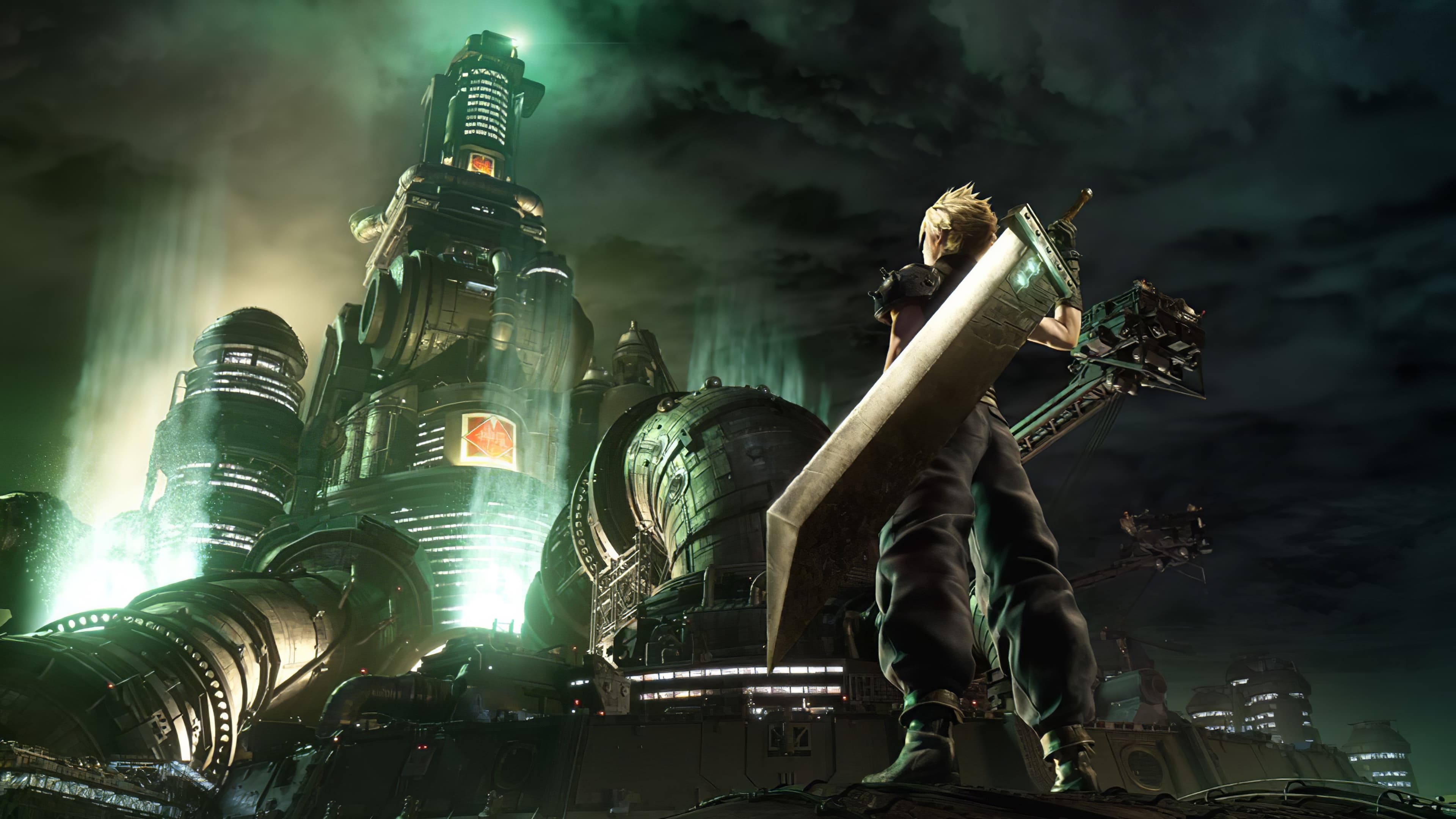
Aerith's Theme (FF7, 1997) — has made audiences cry for nearly three decades
One-Winged Angel (FF7) — introduced a full Latin choir over progressive rock. Became the franchise's most iconic piece
Zelda's Lullaby (Ocarina of Time, 1998) — players physically performed it with their controllers, creating a connection passive listening can't replicate
Song of Storms (OoT) — became one of the most remixed melodies in gaming history
Ocarina of Time did something revolutionary: it made music an interactive gameplay mechanic. The songs Link learns aren't background music — they're tools the player performs.
Modern Masterpieces
Today's game soundtracks rival Hollywood film scores. Some surpass them.
The Essential Modern Soundtracks
| Game | Composer | Standout Moment |
|------|----------|-----------------|
| Skyrim (2011) | Jeremy Soule | "Dragonborn" — performed by a 30-person choir singing in a fictional dragon language |
| Undertale (2015) | Toby Fox | "Megalovania" — one of the most remixed tracks on the internet. Written entirely by one person. |
| Celeste (2018) | Lena Raine | "Resurrections" — builds from quiet piano to soaring synth, mirroring themes of perseverance |
| Hades (2020) | Darren Korb | "In the Blood" — won numerous awards; proved indie music can compete with any medium |
Undertale deserves special attention. Toby Fox wrote every track himself, using leitmotifs that evolve and transform based on the player's moral choices. A genocide run literally corrupts the music.
Celeste uses its soundtrack to mirror the protagonist's struggle with anxiety. Lena Raine's compositions shift dynamically as gameplay intensity changes — the music is the emotional narrative.
Why Game Music Sticks With Us
There's a scientific reason video game music is so memorable. Unlike film scores — which accompany a two-hour passive experience — game soundtracks loop during hundreds of hours of active engagement.
Your brain associates these melodies with:
Focused attention during challenging gameplay
Emotional highs from story moments
Dopamine hits from achievements and victories
Repetition that creates deep neural pathways
The combination of active engagement and emotional investment makes game music almost impossible to forget. That's why you can probably hum the Tetris theme right now without even thinking about it.
Test Your Soundtrack Knowledge
If you consider yourself a connoisseur of game music, it's time to prove it.
Koji Kondo, Nobuo Uematsu, Yasunori Mitsuda, Yoko Shimomura, Grant Kirkhope, Martin O'Donnell — if these names mean something to you, you're ready. If they don't, you have some incredible music to discover.
The next time someone says video game music isn't real music, play them "Aria di Mezzo Carattere" or "Dragonborn" or "Megalovania" and watch their expression change. Then send them a VaultQuiz link.